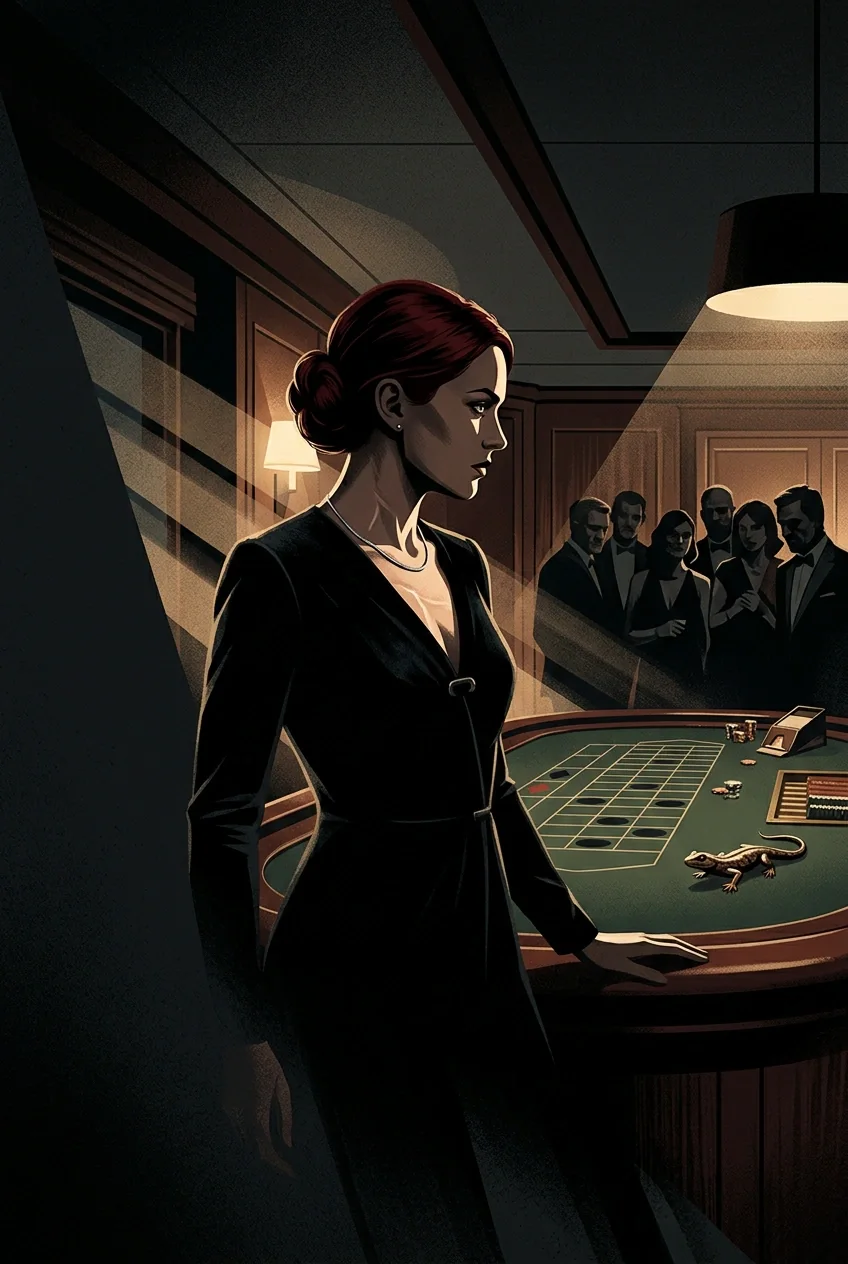
“A spy who can't remember which side she works for.”
That is enough. The engine asks what it needs to know and settles the rest with you: the genre, the tone, the promise the story makes to its reader, the point of view it is told from.
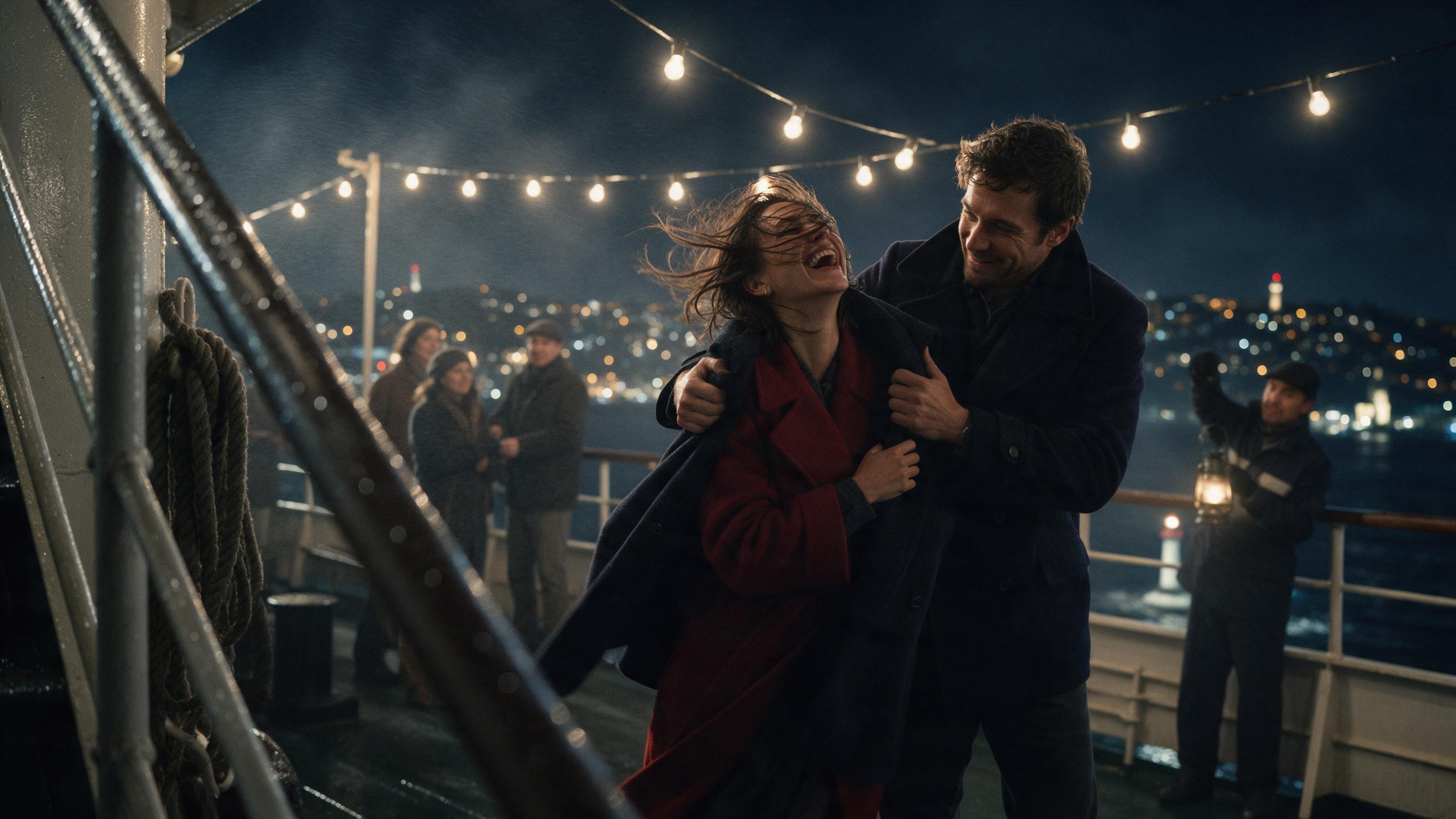
Two people who should not work, and the whole world conspiring to prove it. Write the wind, the coat, the laugh that decides everything. The reader knows how it ends and turns the page anyway.
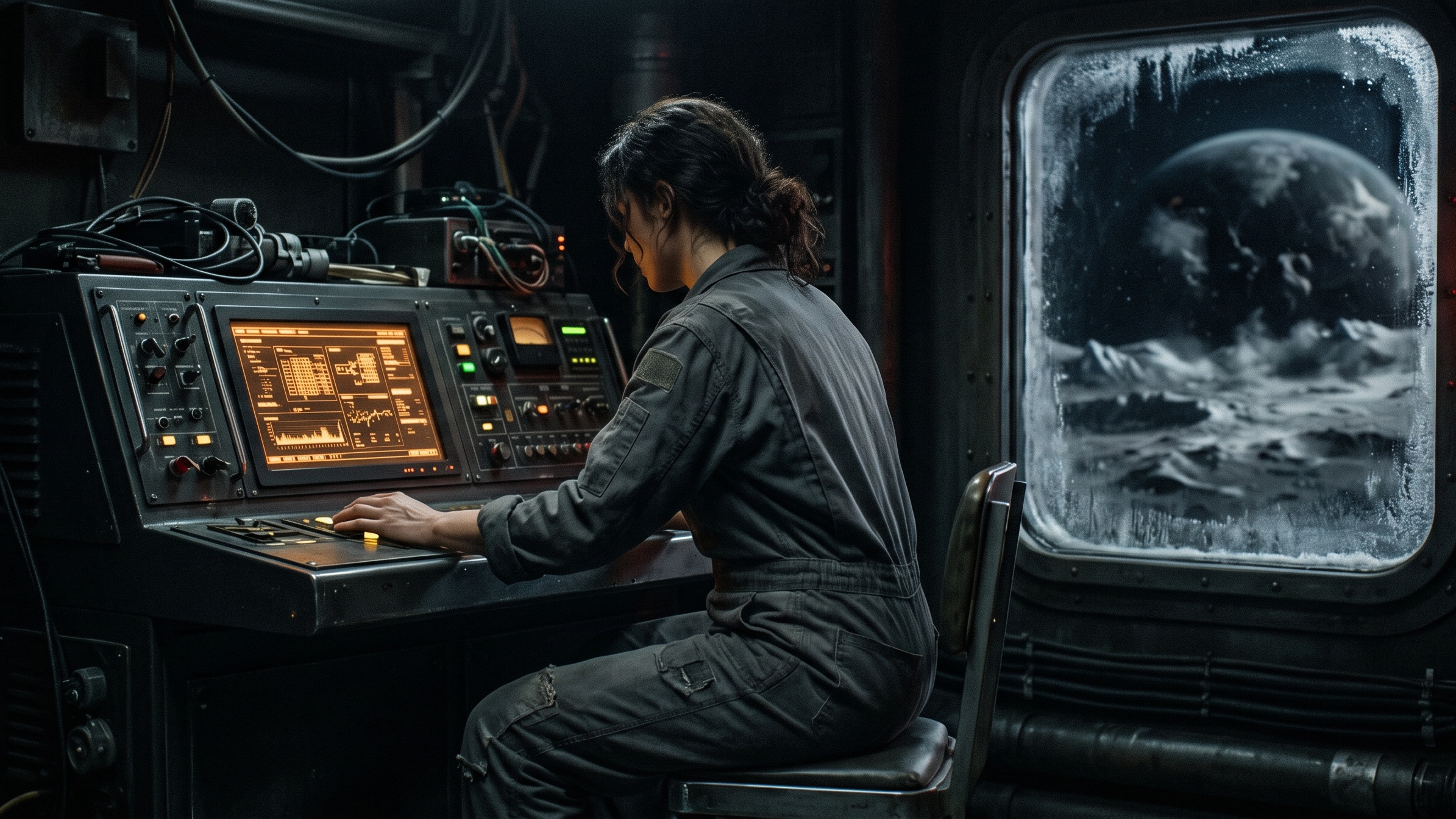
Change one law of the world and follow it to the end. A ship with sixteen hours of air, a voice in the logs that knows her name. The future is only a question asked properly.
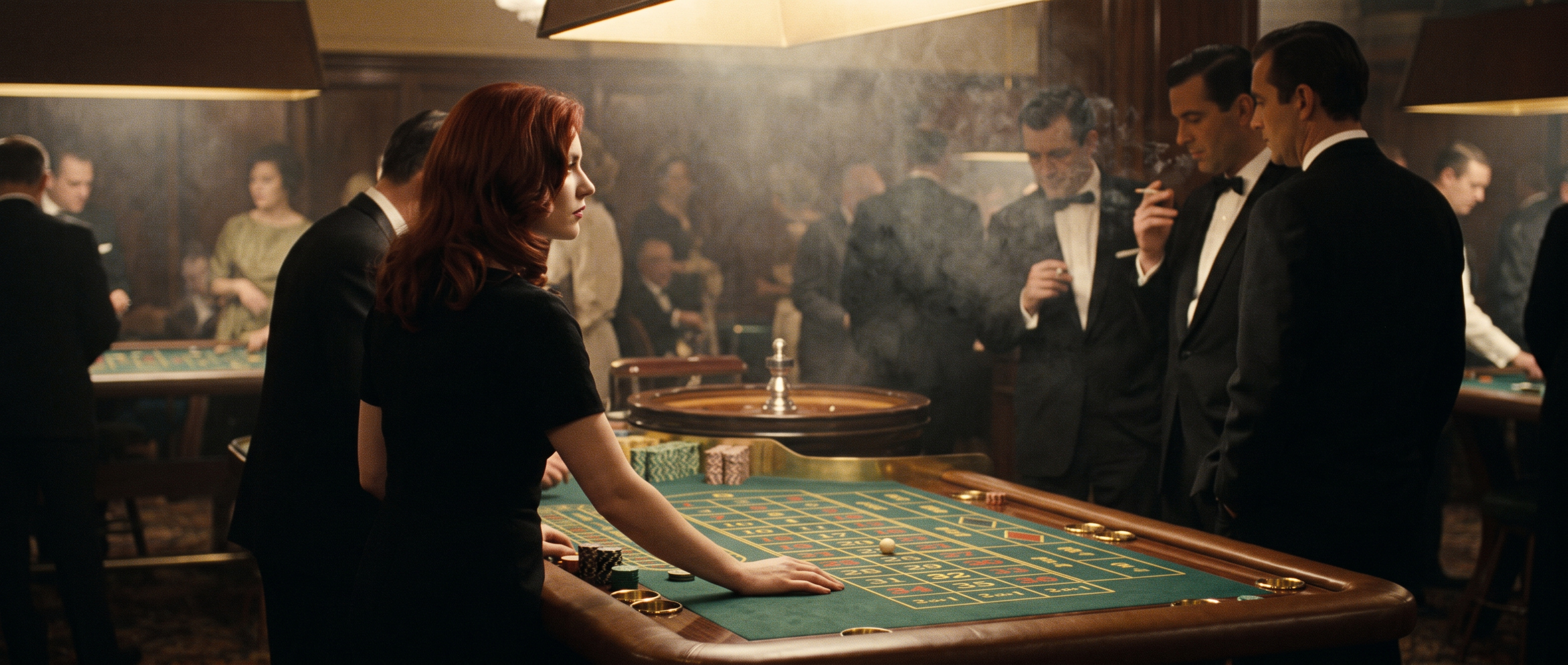
Someone is lying, and the reader gets to find out before the detective does. Write the city at night, the alibi that almost holds, and the one detail nobody should have noticed.
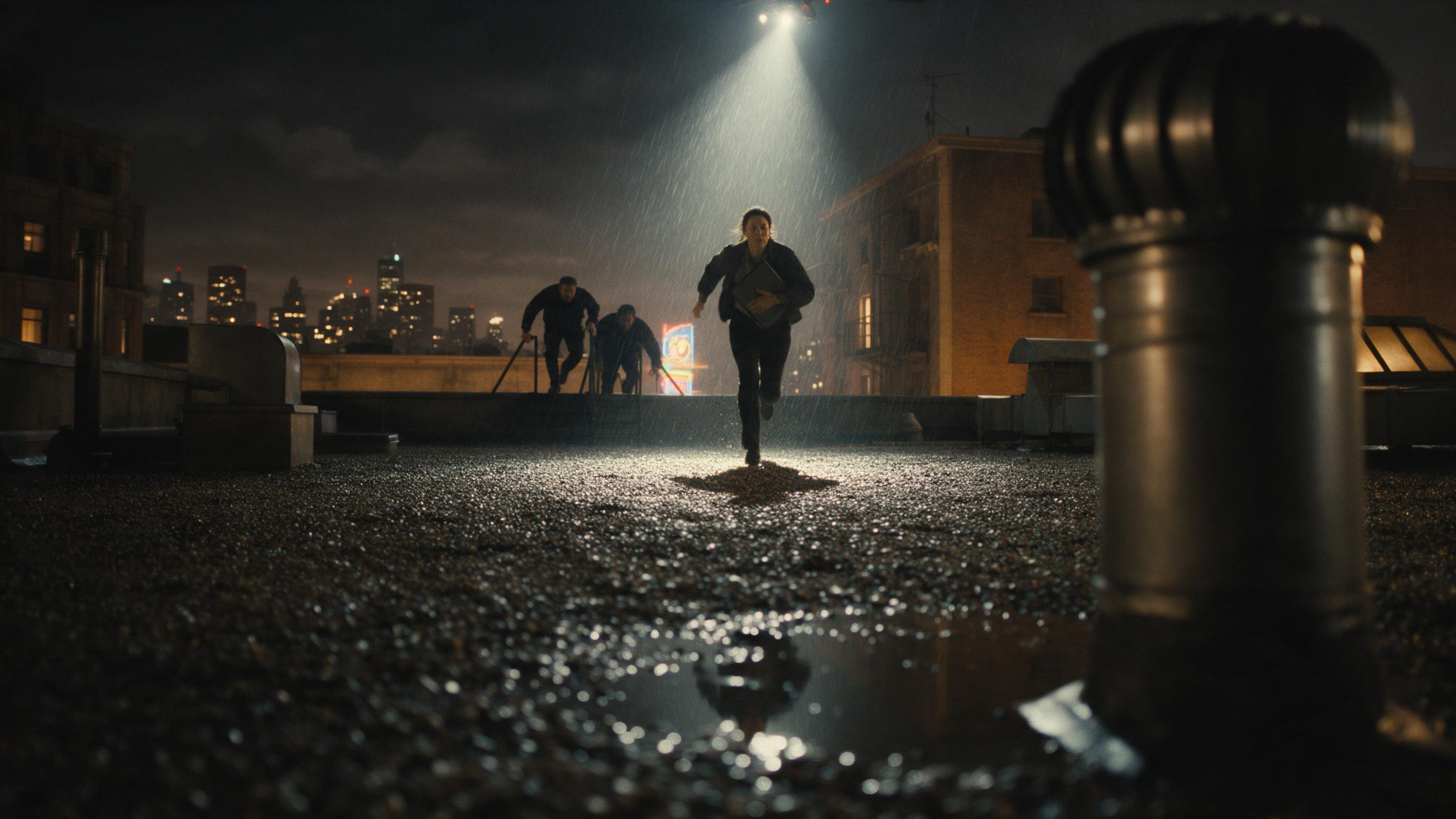
The clock is running and she has what they want. Every chapter takes something from her. Write the rooftop, the searchlight, the door that will not open, and never let the reader breathe.
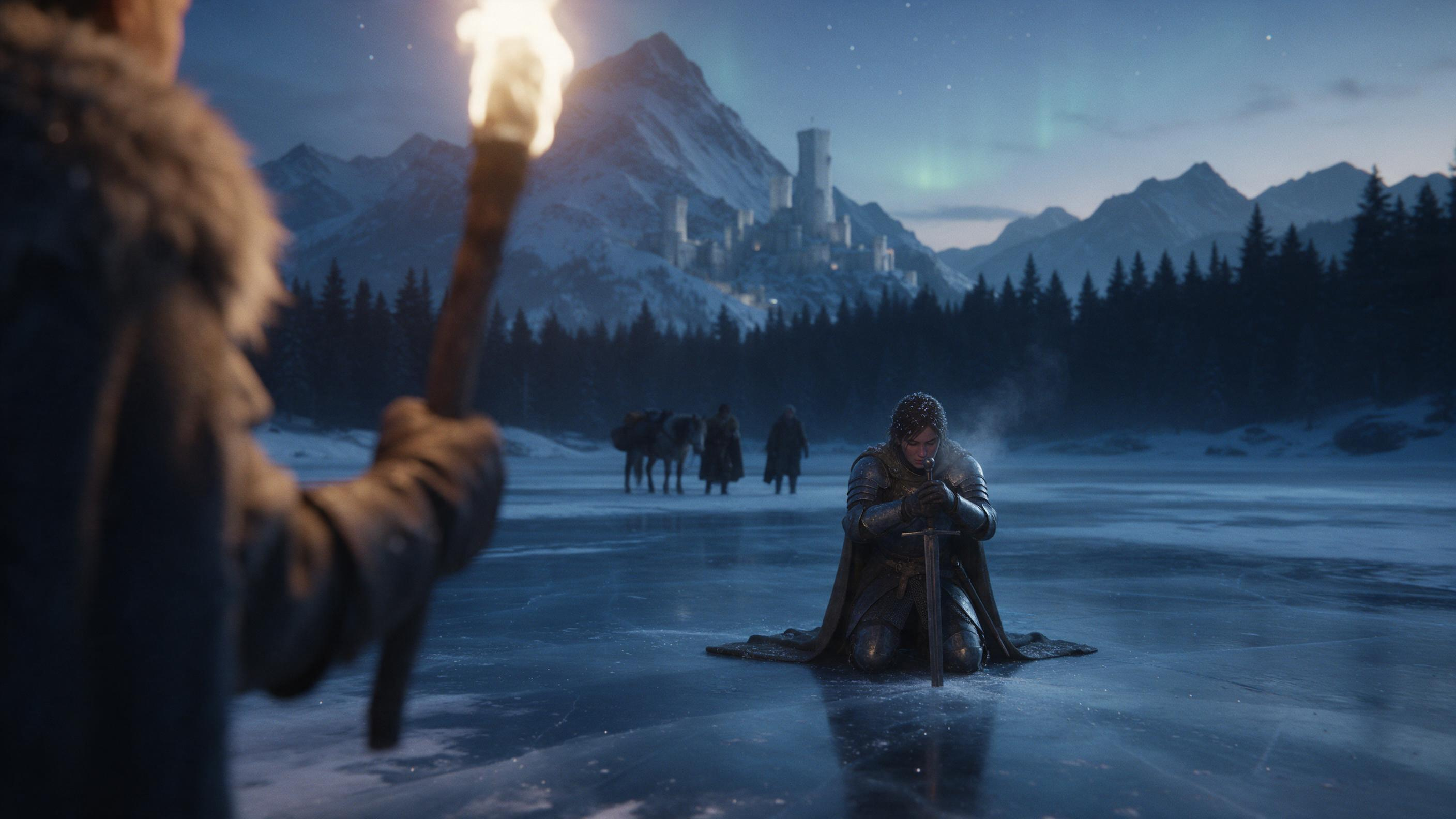
Build a world whose rules hold, then put a sword in the ice and ask who is worthy. Kingdoms, oaths, the price of magic. The map is yours to draw.
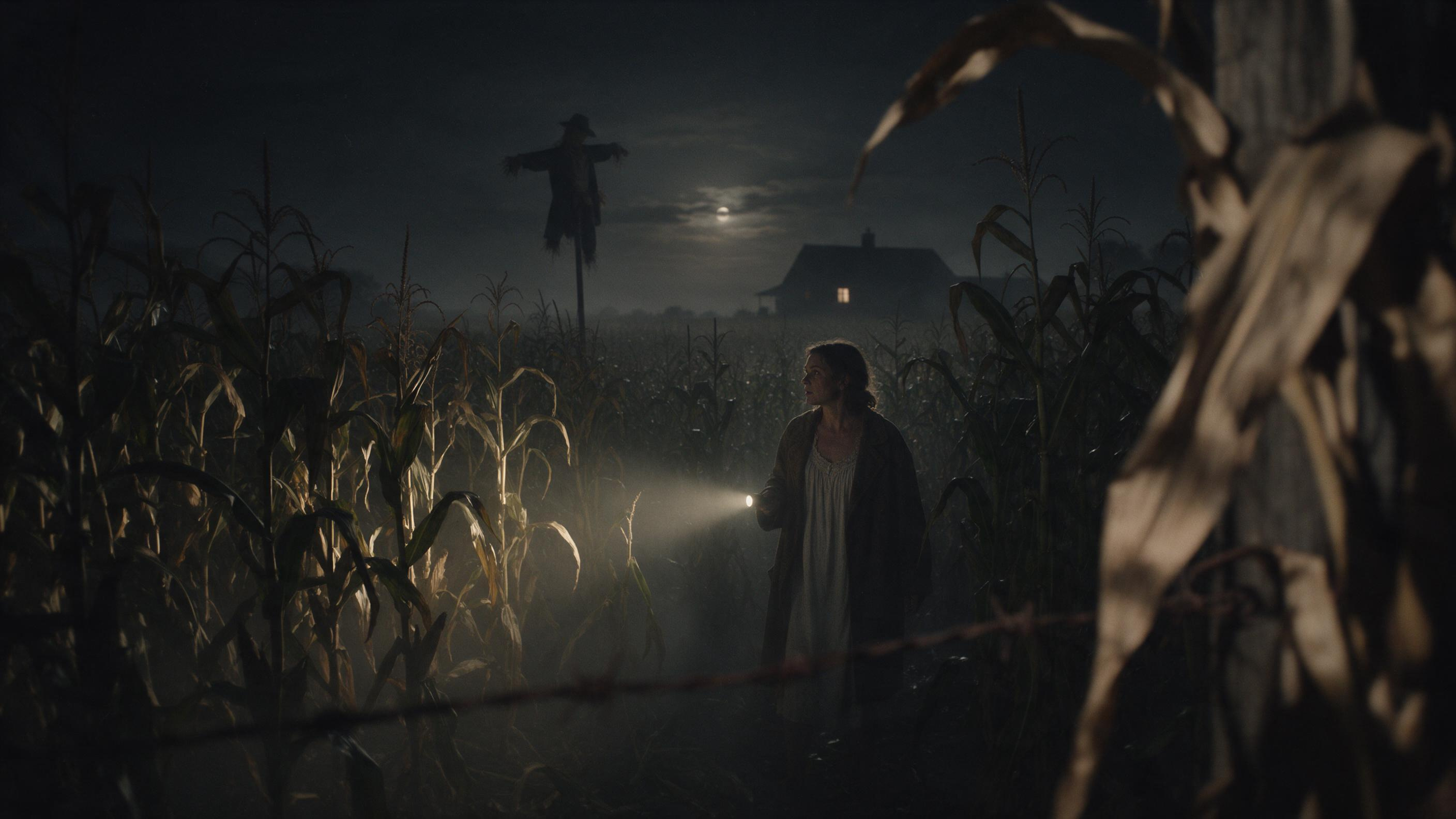
Something in the field is taller than it was yesterday. Dread is a slow instrument. Write the torch beam, the listening, and the thing you show only once.
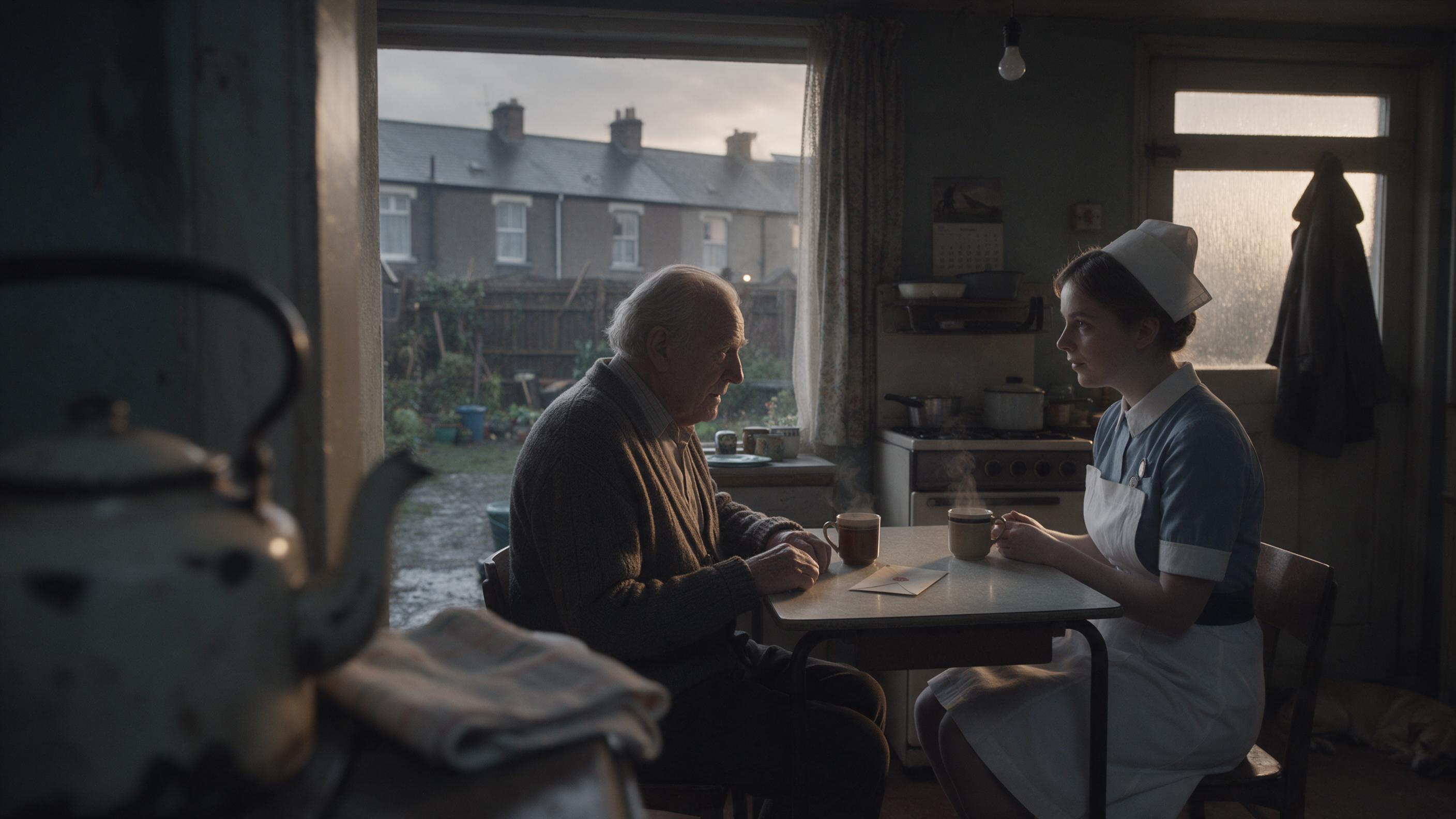
A letter on a kitchen table and two people who cannot open it. No chase, no dragon. Just a life, told so truly the reader recognises their own.
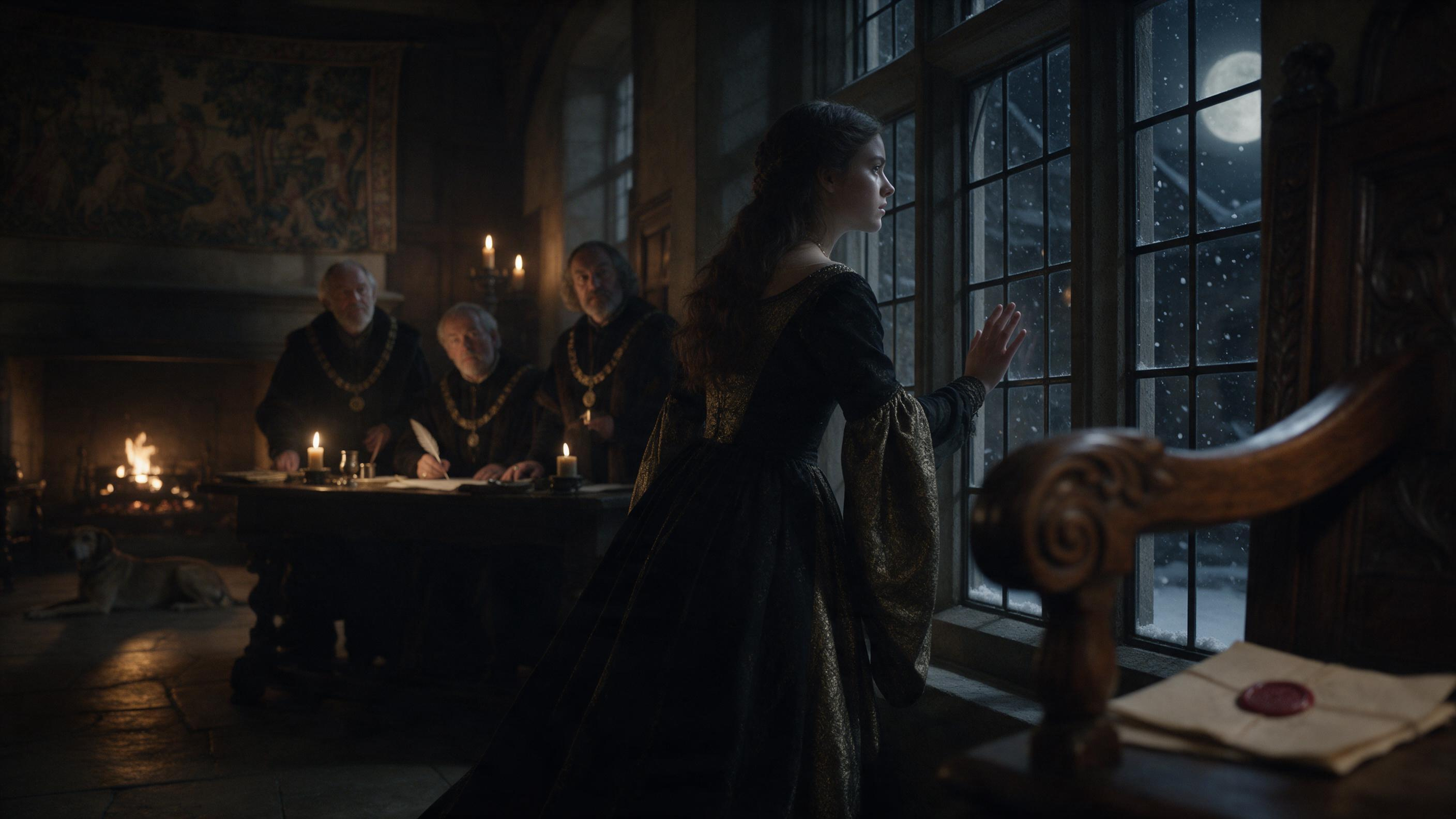
A young queen at a window, snow on the glass, and a council who think they decide. Put the reader in the room. Make the past a place they have lived.
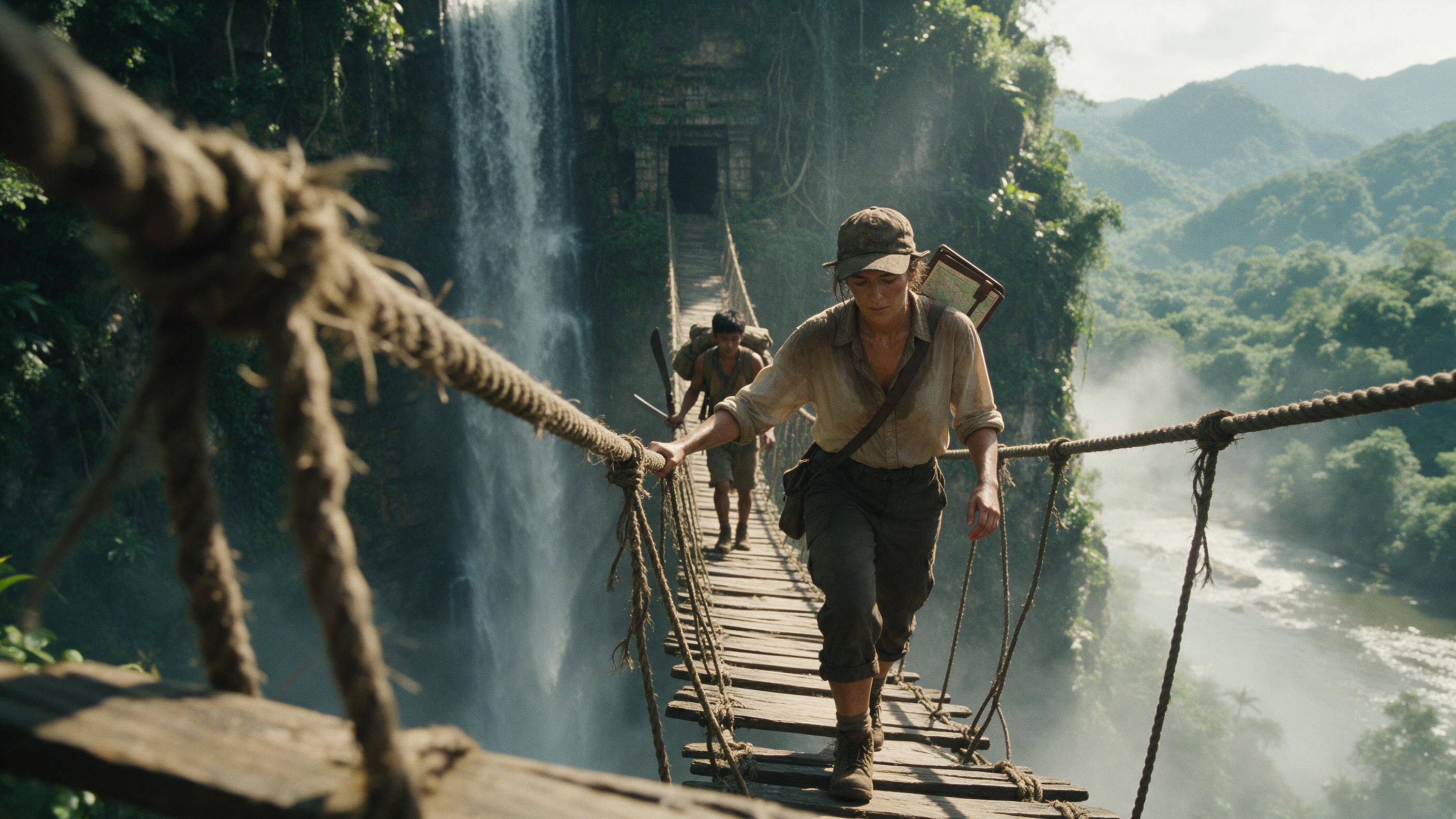
The bridge sways and the temple waits behind the falls. Movement is the engine. Write the map that lies, the guide who knows more than he says, and the thing at the end that was worth it.
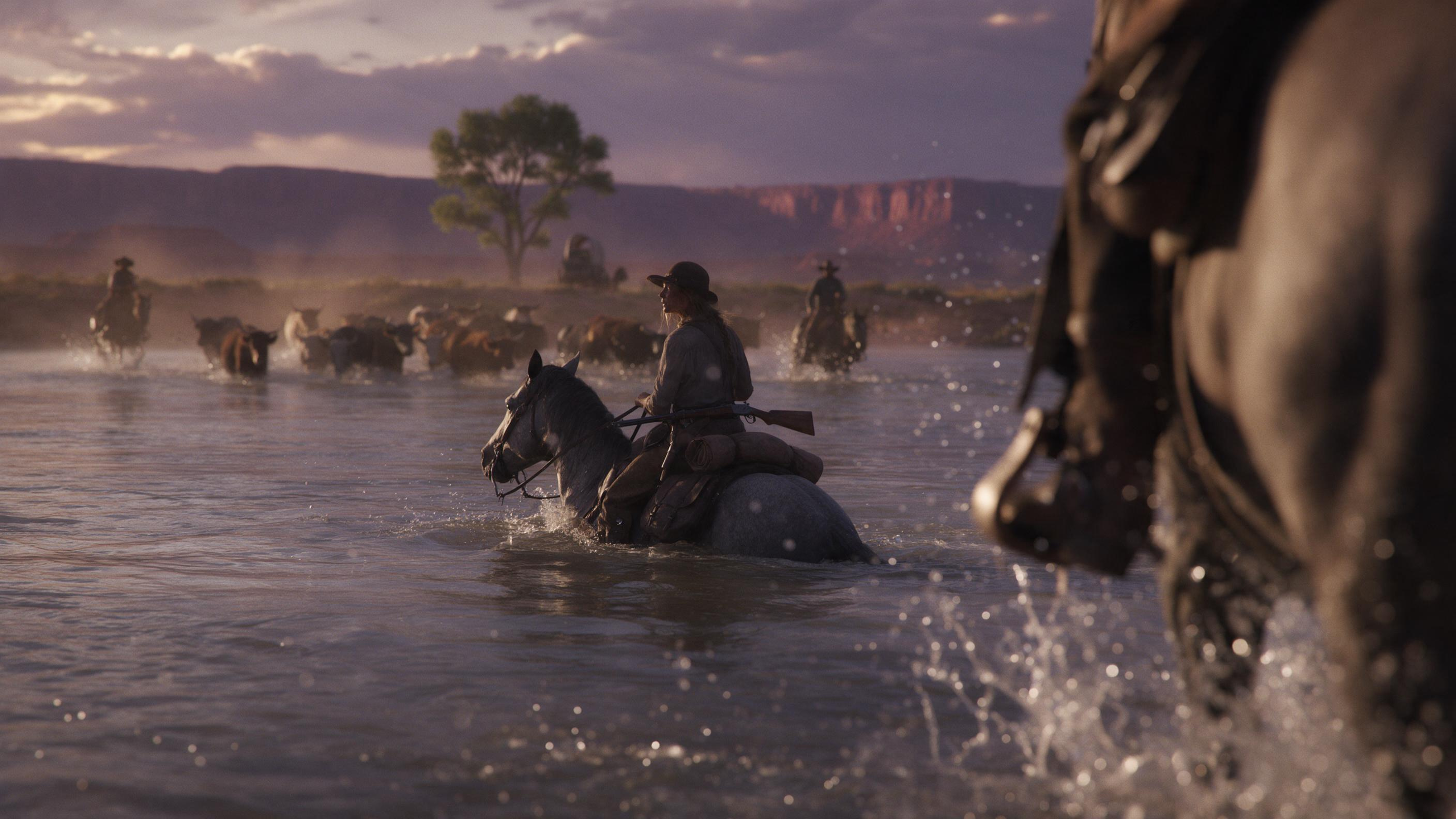
A river at dusk, a rifle across her lap, and a code that costs more than it pays. The frontier tests everyone. Write the landscape as scripture and the choice as the whole plot.
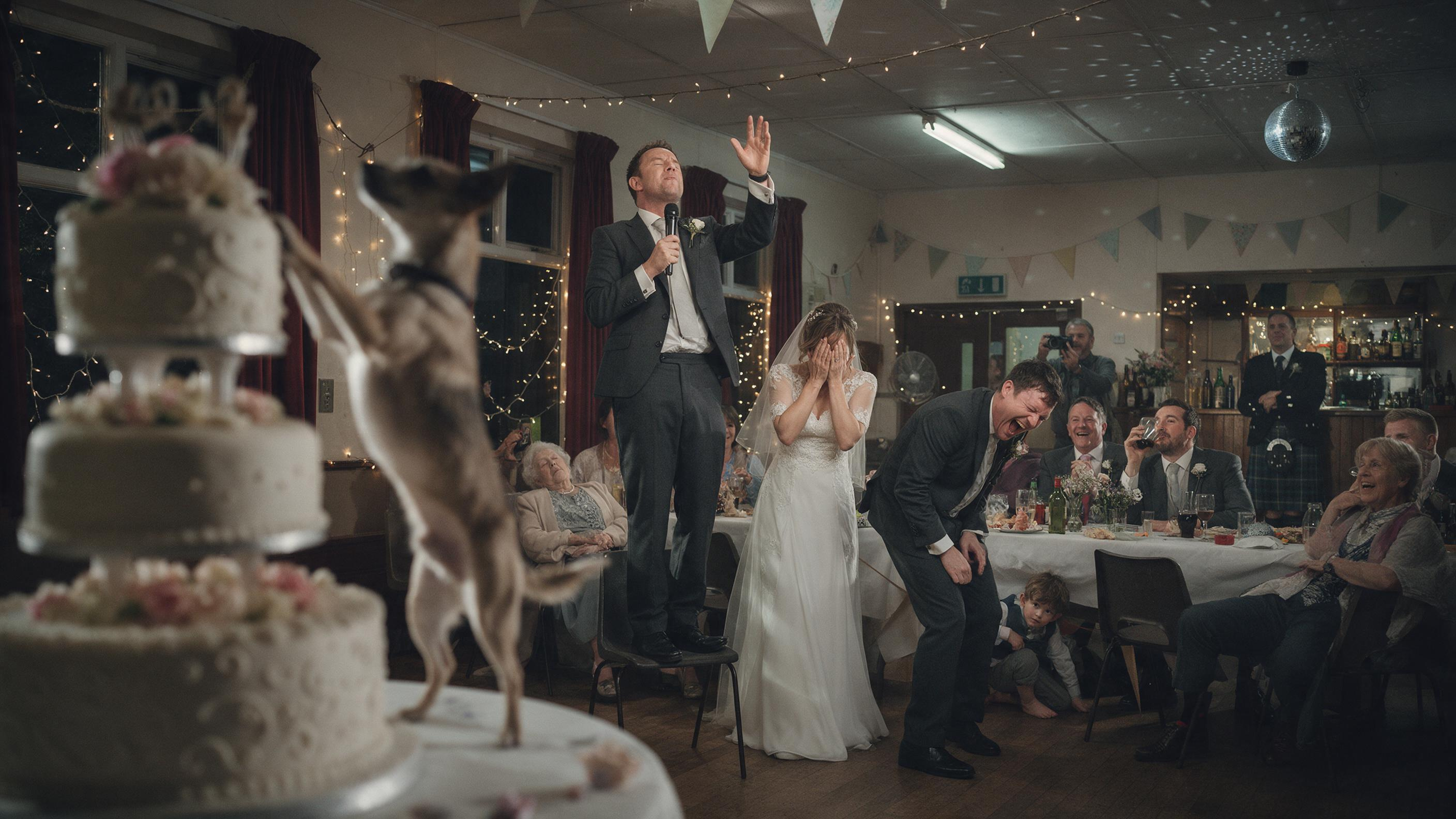
The best man has lost the ring and found the microphone. Timing is craft. Write the room where everything goes wrong at once, and everyone you love is in it.
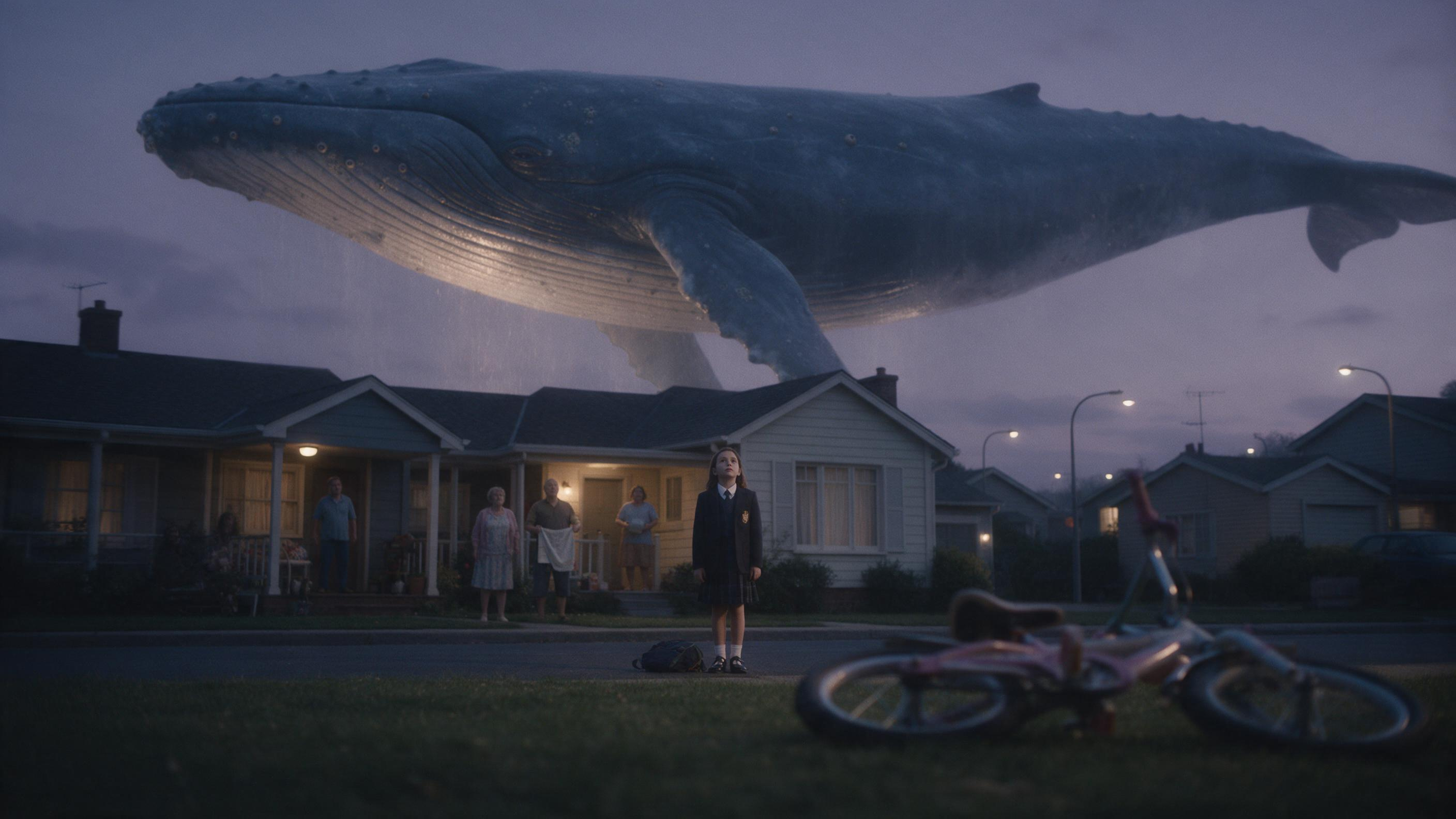
A whale over the rooftops and a girl who is the only one not afraid. Ask what if, and mean it. The strangest idea you have is the one to write.
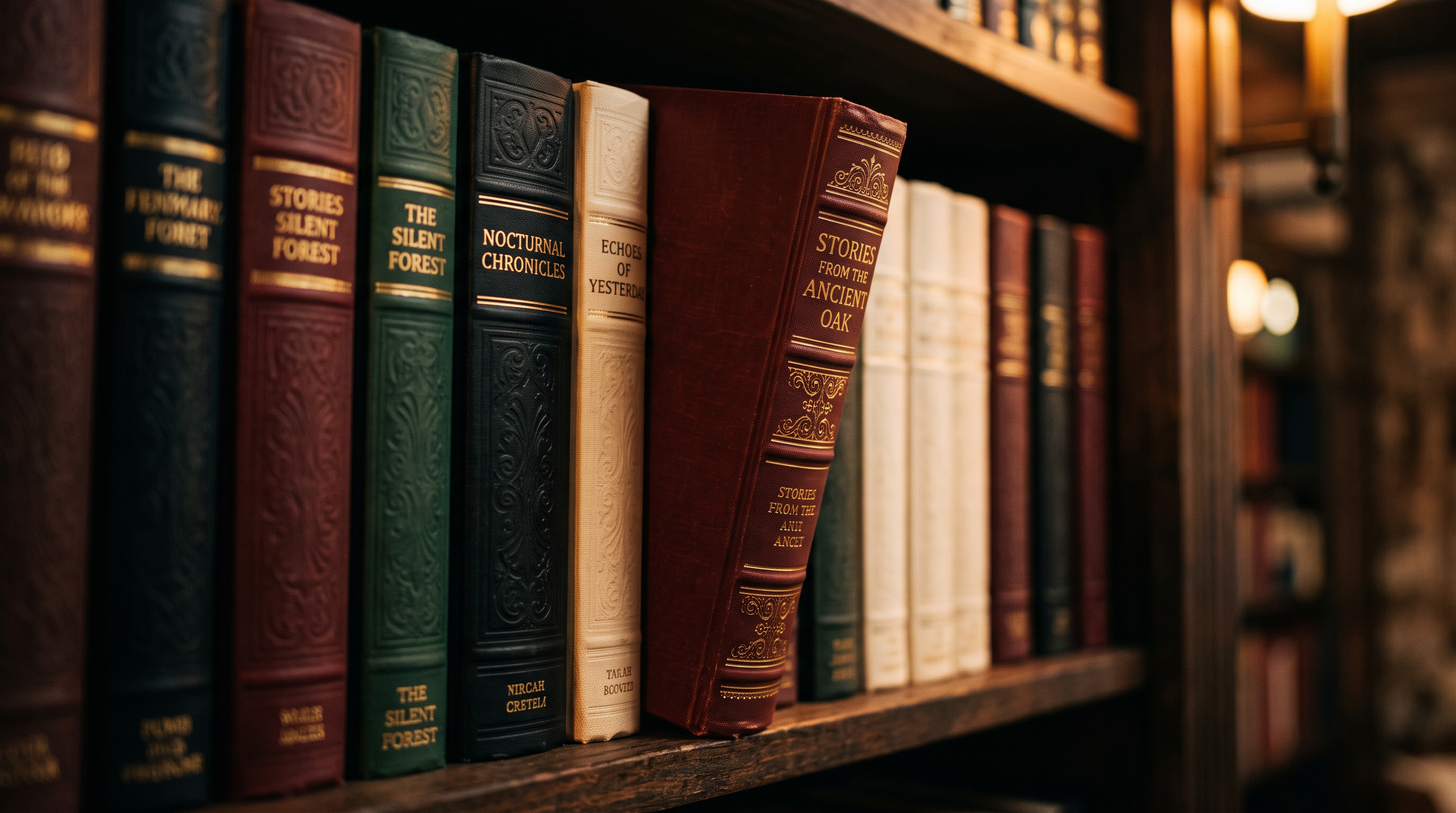
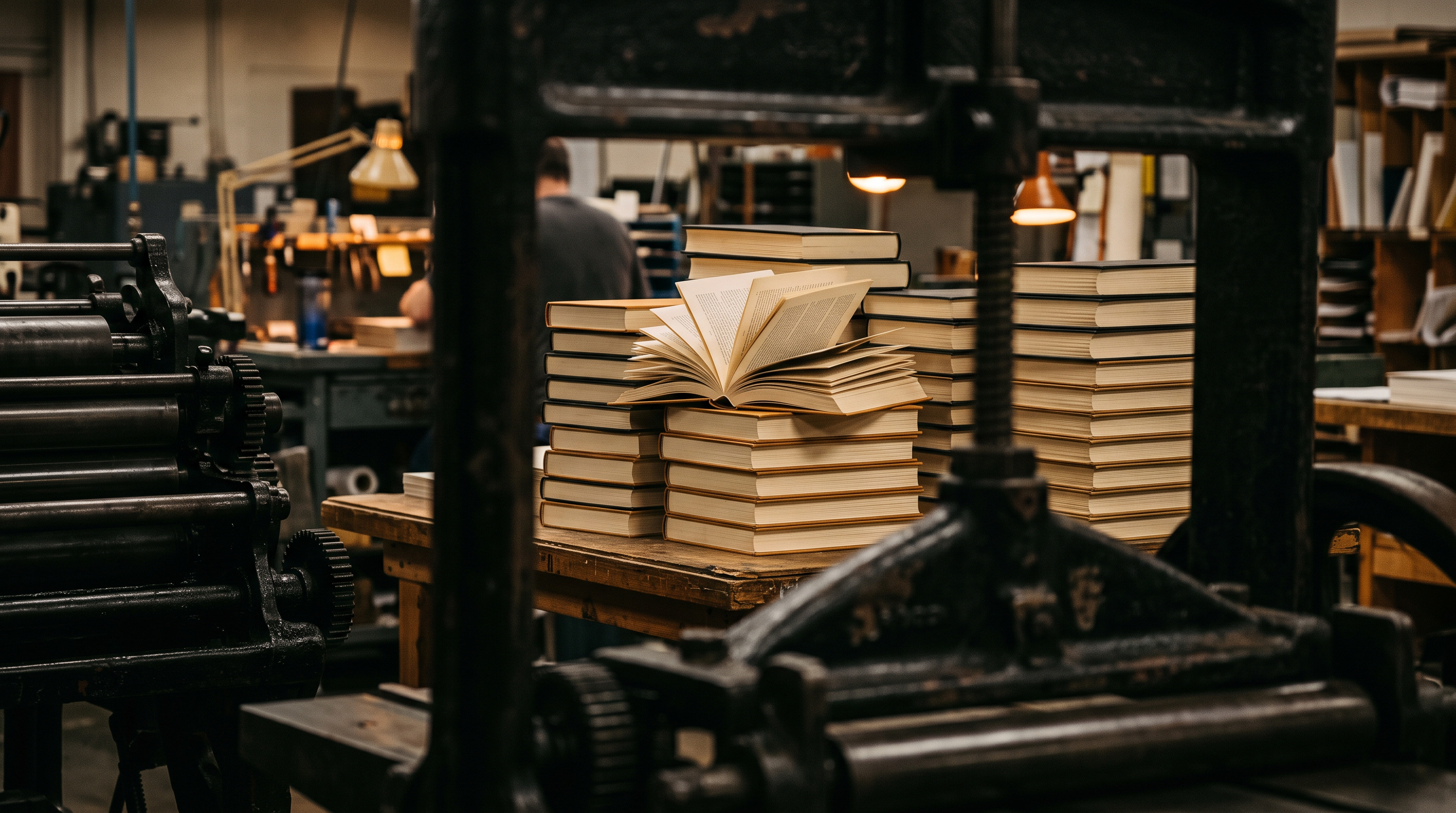
Not a draft in a text box. A typeset novel with a cover, a spine and a colophon, exported for print and for every reader, the day the story is done.
You give it one line. The engine settles what the story is about, who is in it, where it happens and how it turns. Then it writes, scene by scene, with every earlier decision kept in view.
“A spy who can't remember which side she works for.”
That is enough. The engine asks what it needs to know and settles the rest with you: the genre, the tone, the promise the story makes to its reader, the point of view it is told from.
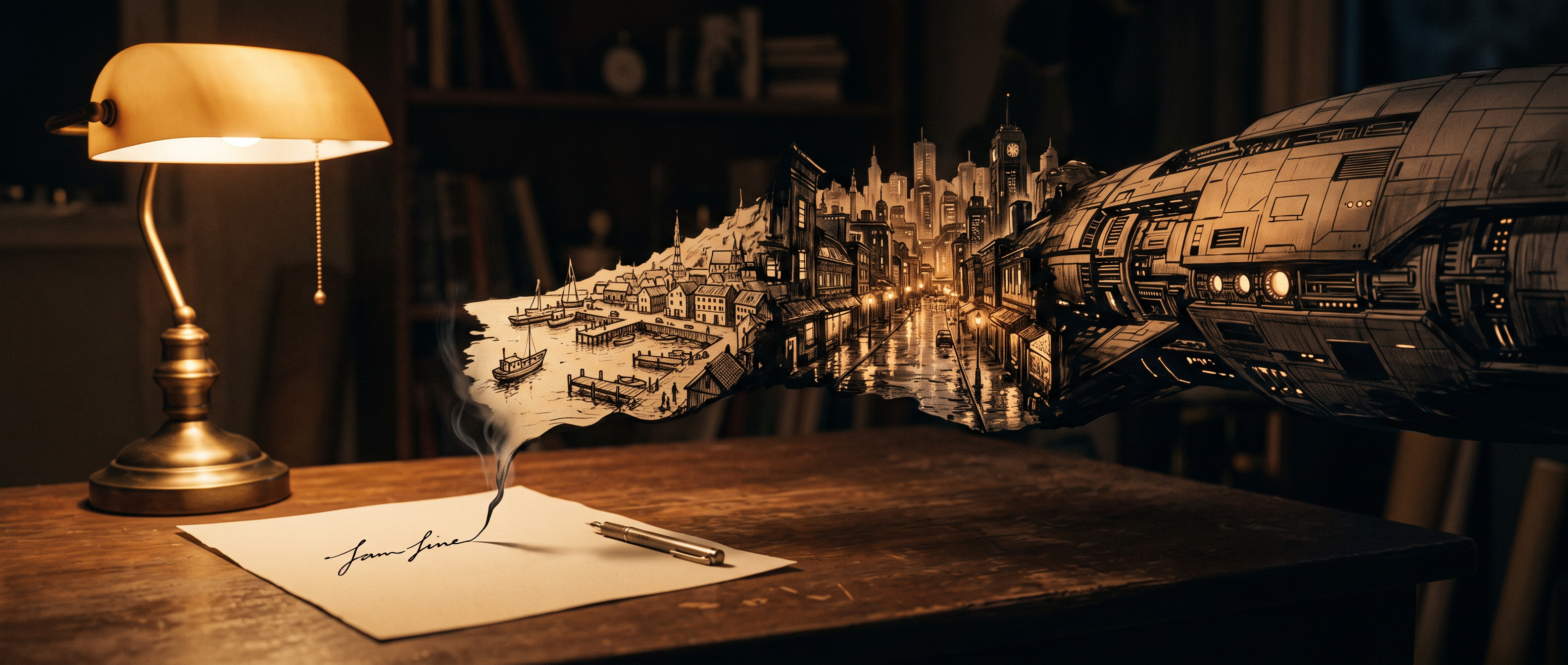
The story knows what it is before a word is written.
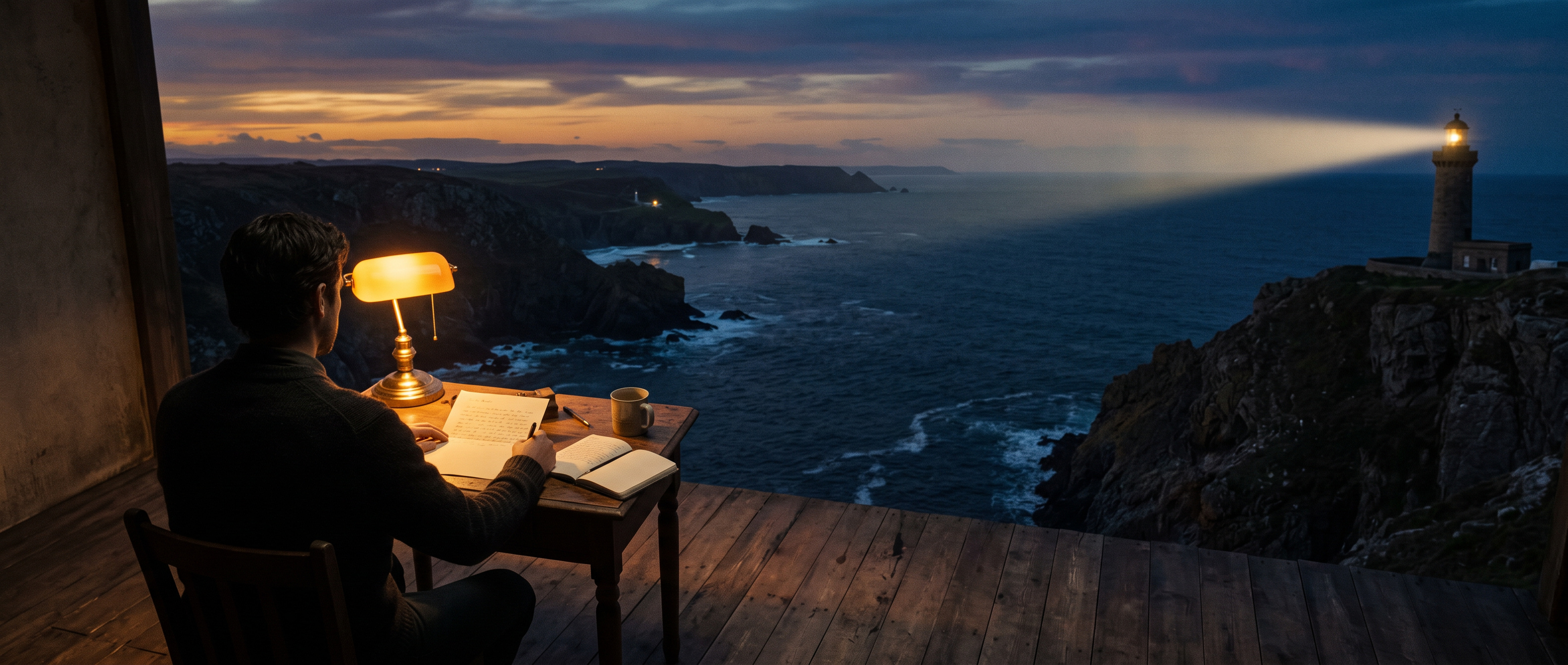
Niamh Gallagher, 28. Dublin. A scar she will not explain.
Each character carries a sheet: how they look, how they speak, what they want and what they hide. Every picture of them, in every scene, is drawn from that one sheet, so they stay themselves.
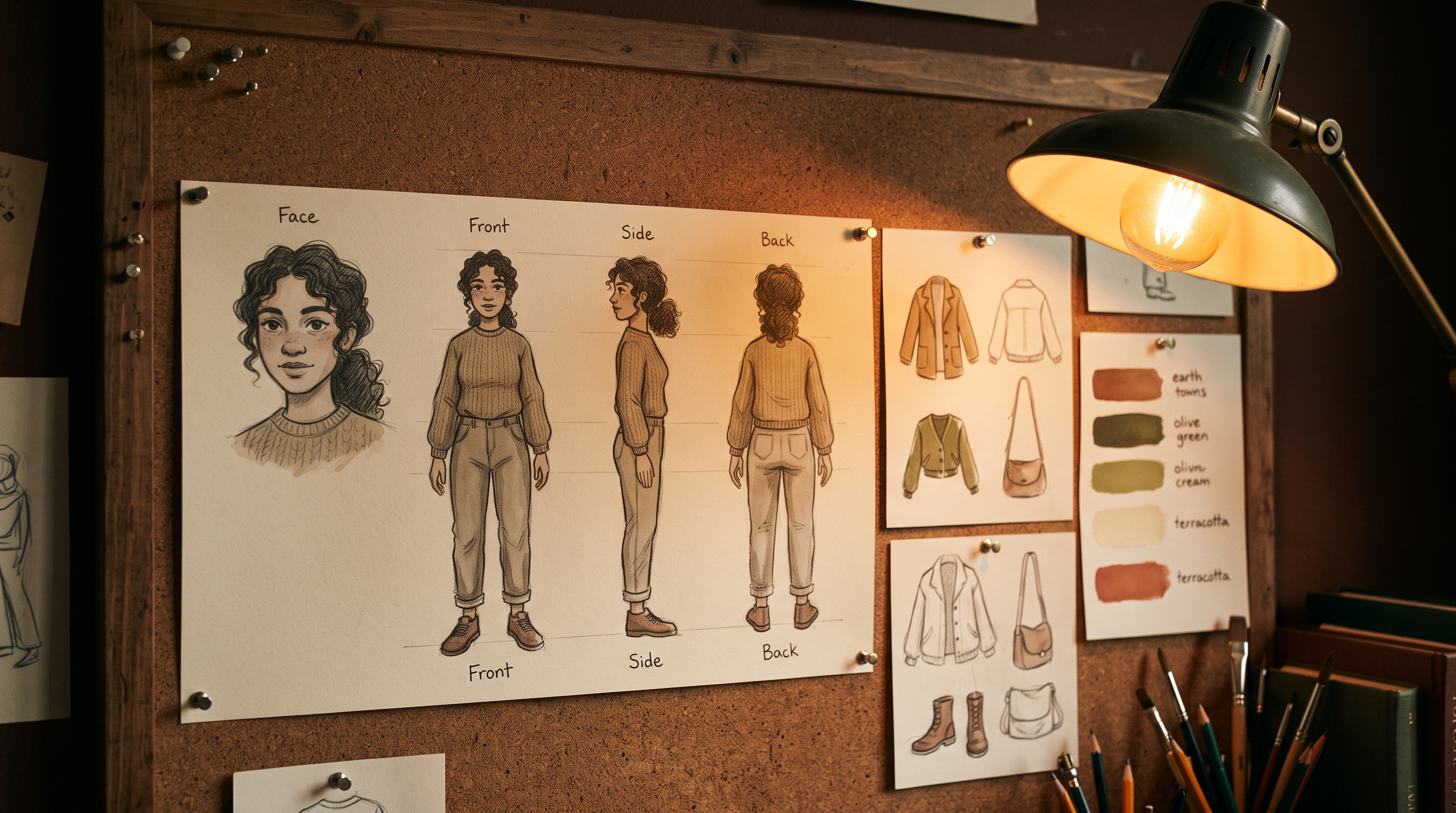
Three acts. Eleven chapters. Eighteen scenes.
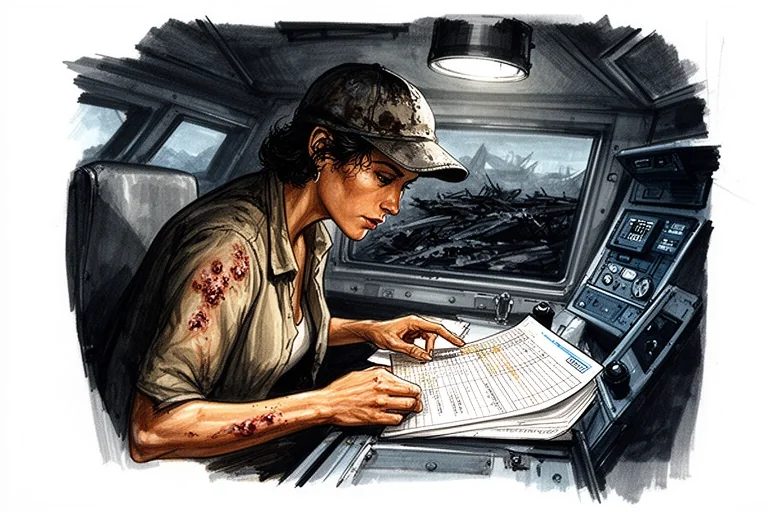
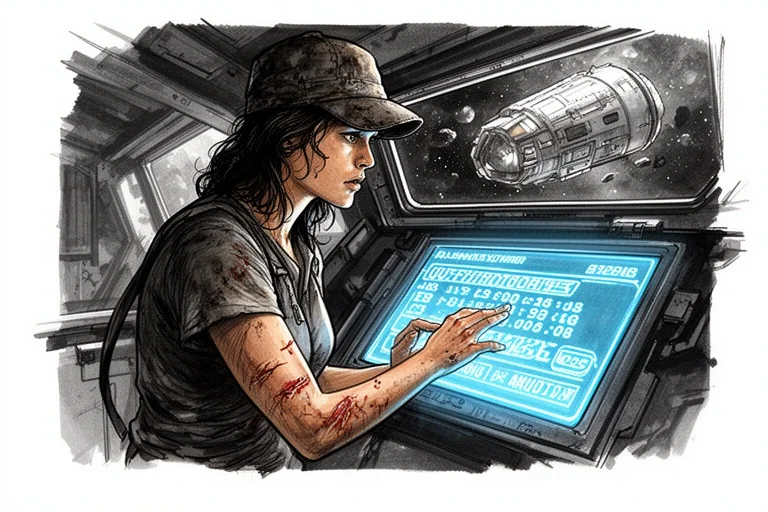
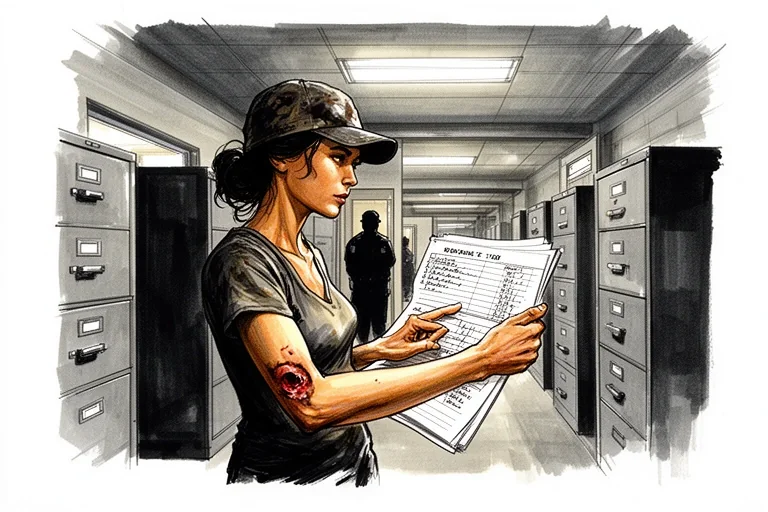
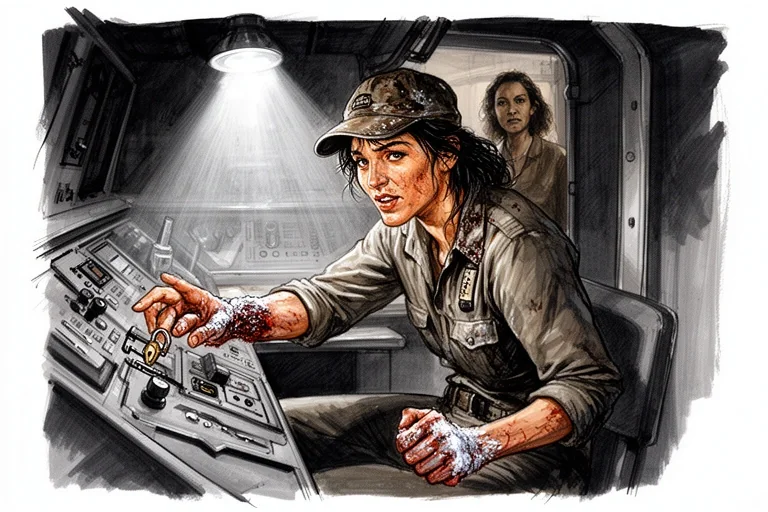
She counted the chips twice because the first count had come out right, and right was the thing she trusted least. The room smelled of cold smoke and somebody's cologne. Across the felt the croupier watched her hands and not her face, which meant he had been told what to watch.
Every paragraph is read back against the outline, the cast and the craft rules before it reaches you. No filler, no tells, no drift.
The same story, in every form you can sell.
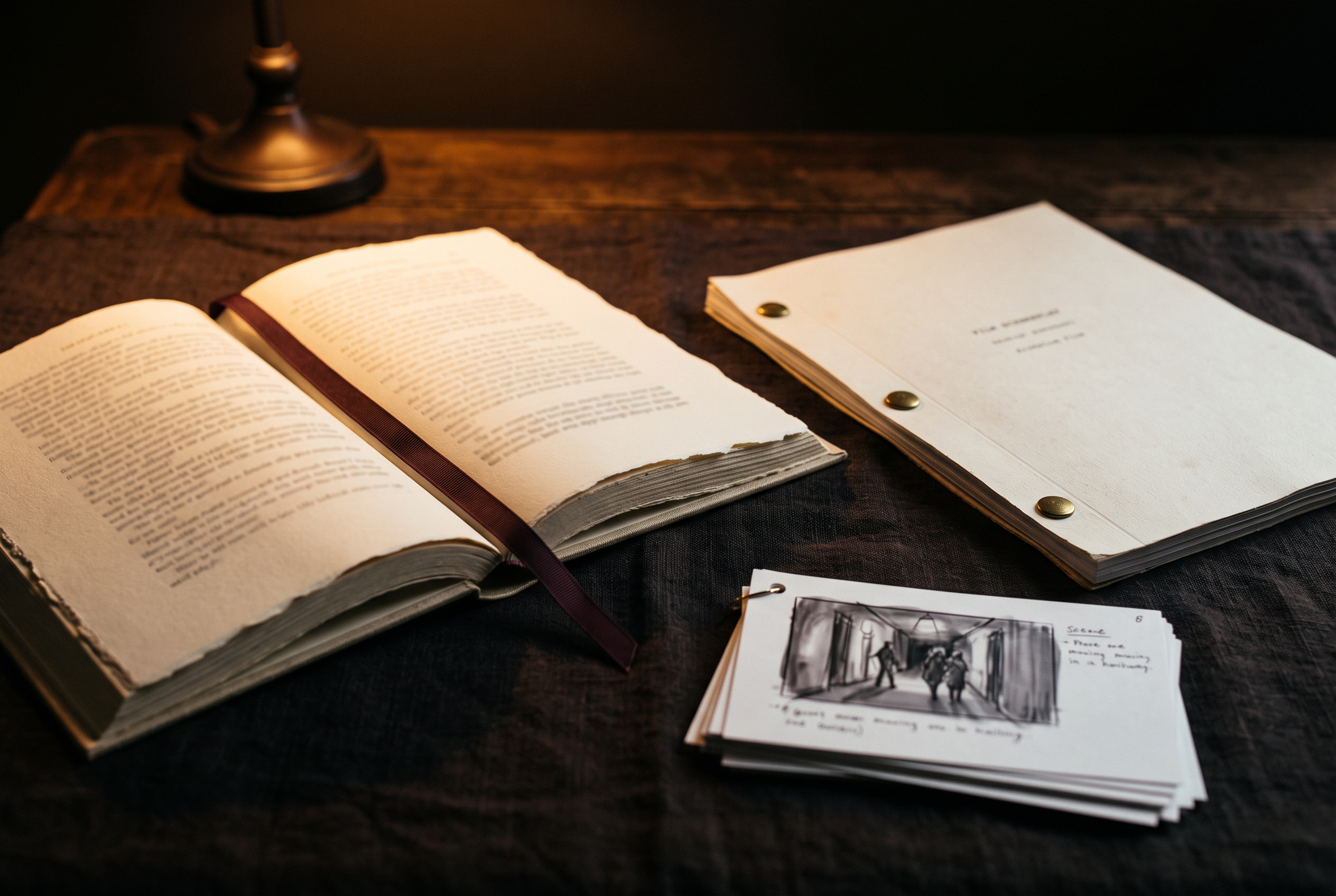
A novel, a screenplay in proper format, a narrated audiobook, a card deck, posters, a press kit with the synopsis and the lines. All from one source, all in step.
See every form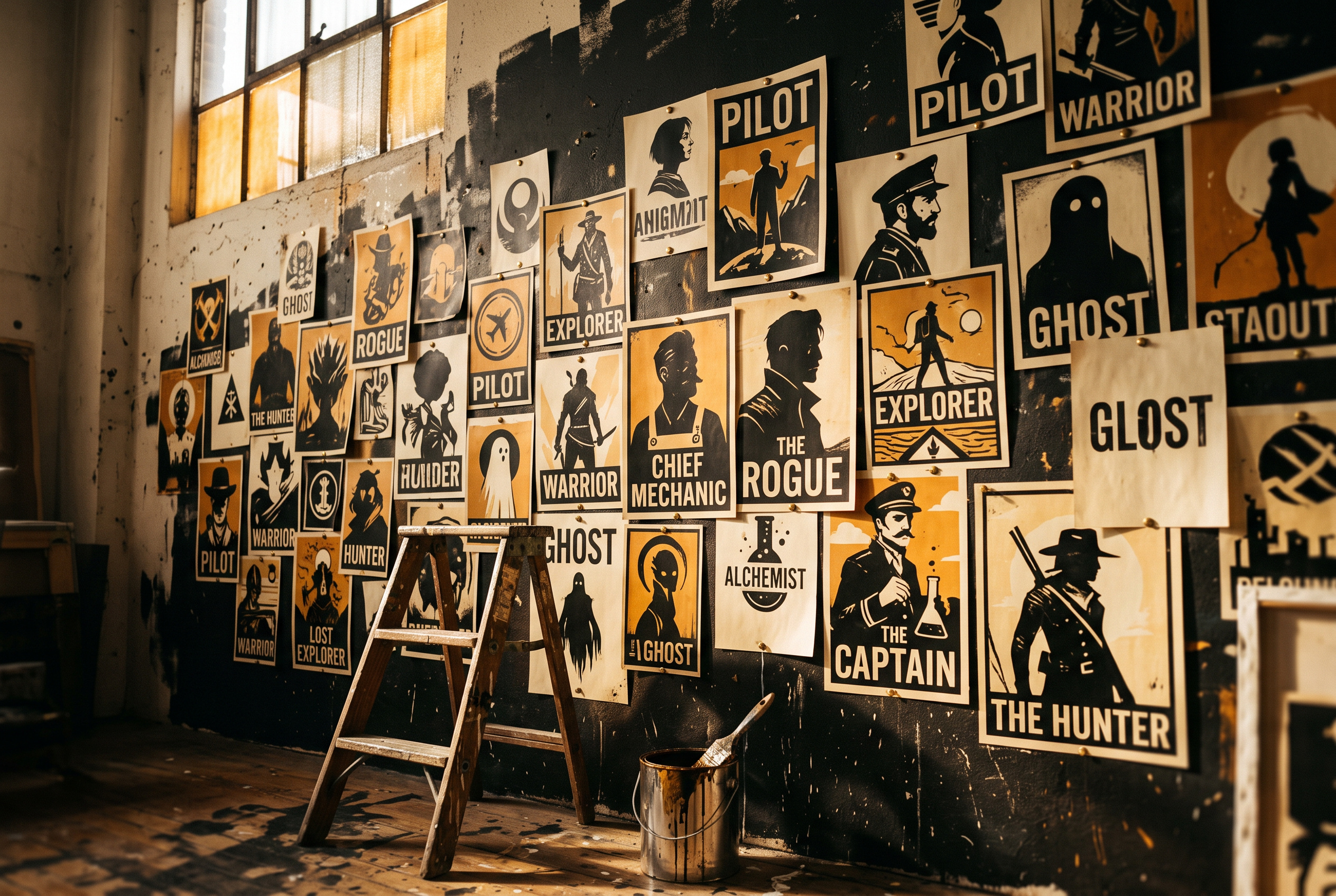
A story is grown, not generated. Nine stages, each settled before the next, and each one able to see every decision made before it.
One line is enough. A name, a place, a wrong that needs righting. The engine asks what it needs to know and nothing more, and the story begins.
The casino. The black dress.
Most tools give you a different face every time you ask. Here she is drawn once, in the round, and every scene is made from that one sheet. Scroll; she walks.
The quay. The trench coat.
A different night, a different coat, the same face. The sheet holds her build, her colouring, the way she walks, so she is recognisably her in any weather.
The car park. The night blacks.
Every picture of her, in every scene and costume, comes from the same sheet. Change the room, change the clothes, and she is still, unmistakably, her.
Write it once. The novel, the screenplay, the audiobook and the artwork stay in step because they come from one source. Change a scene and every form follows.
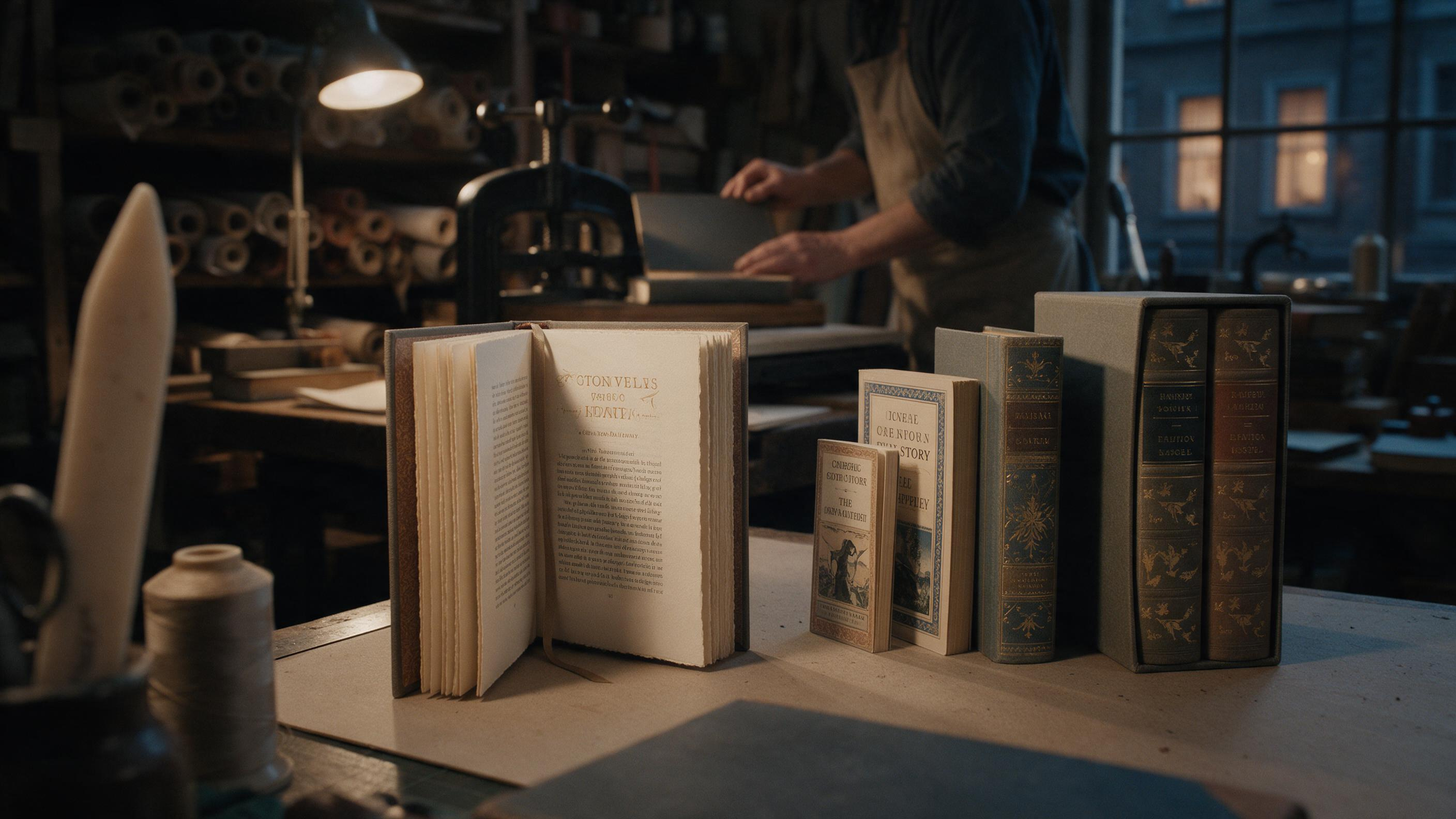
Flash fiction to saga. Typeset with a cover, a spine and a colophon, for print and every reader.
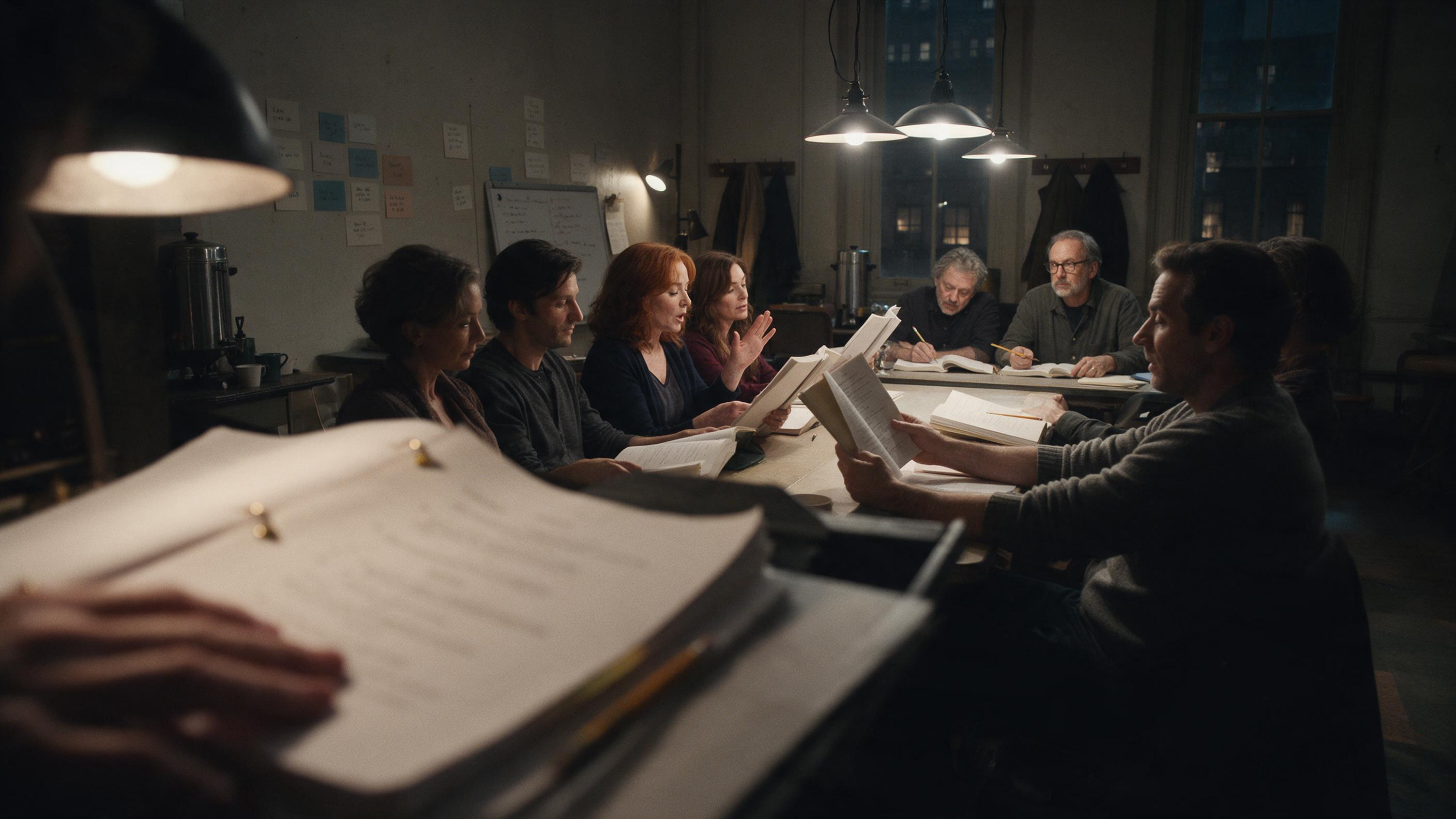
Short film, feature, pilot, episode. Proper format from the same outline, made for pitching and shooting.
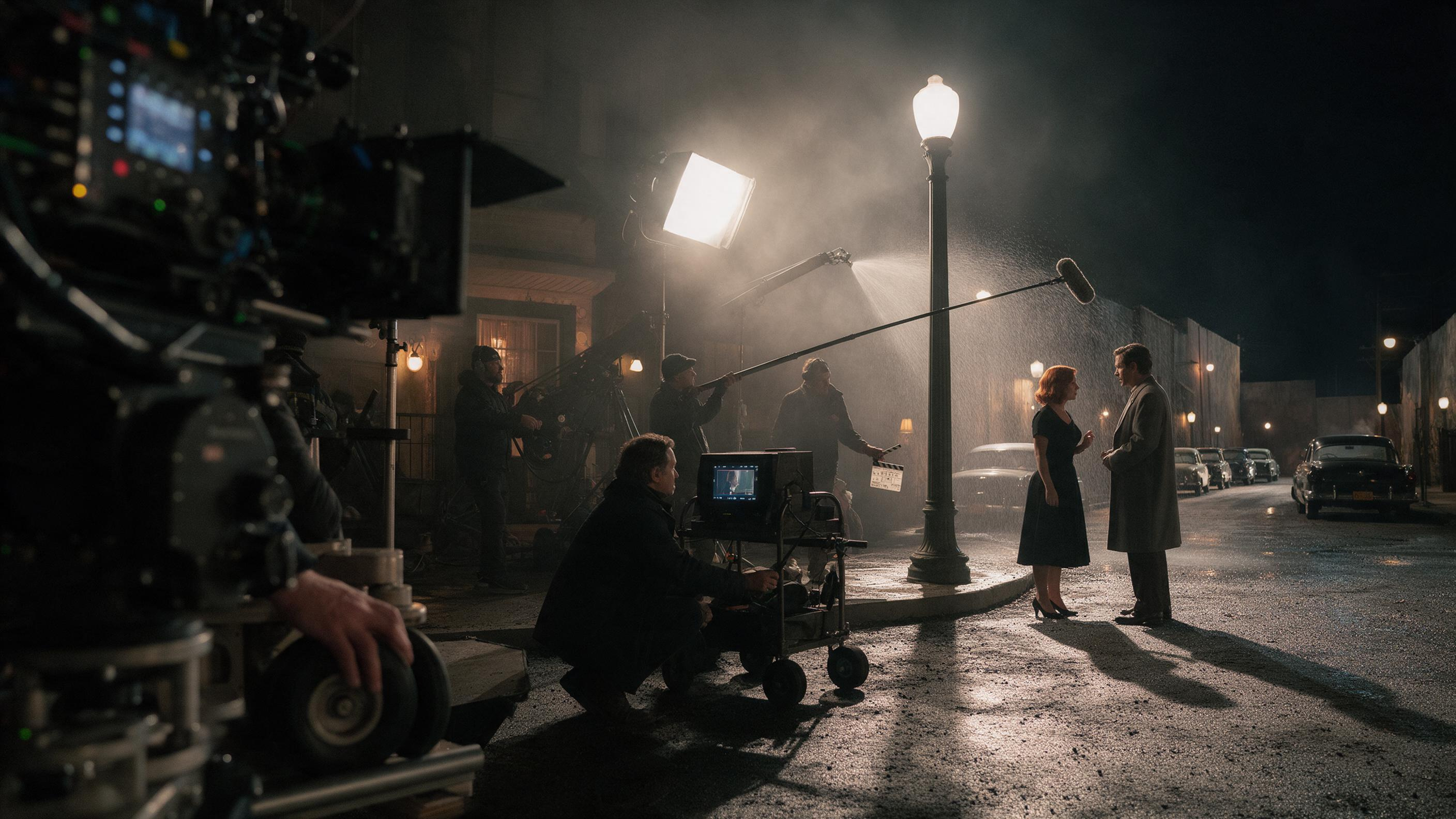
The script realised: storyboards, shots, continuity held, the whole thing cut and finished.
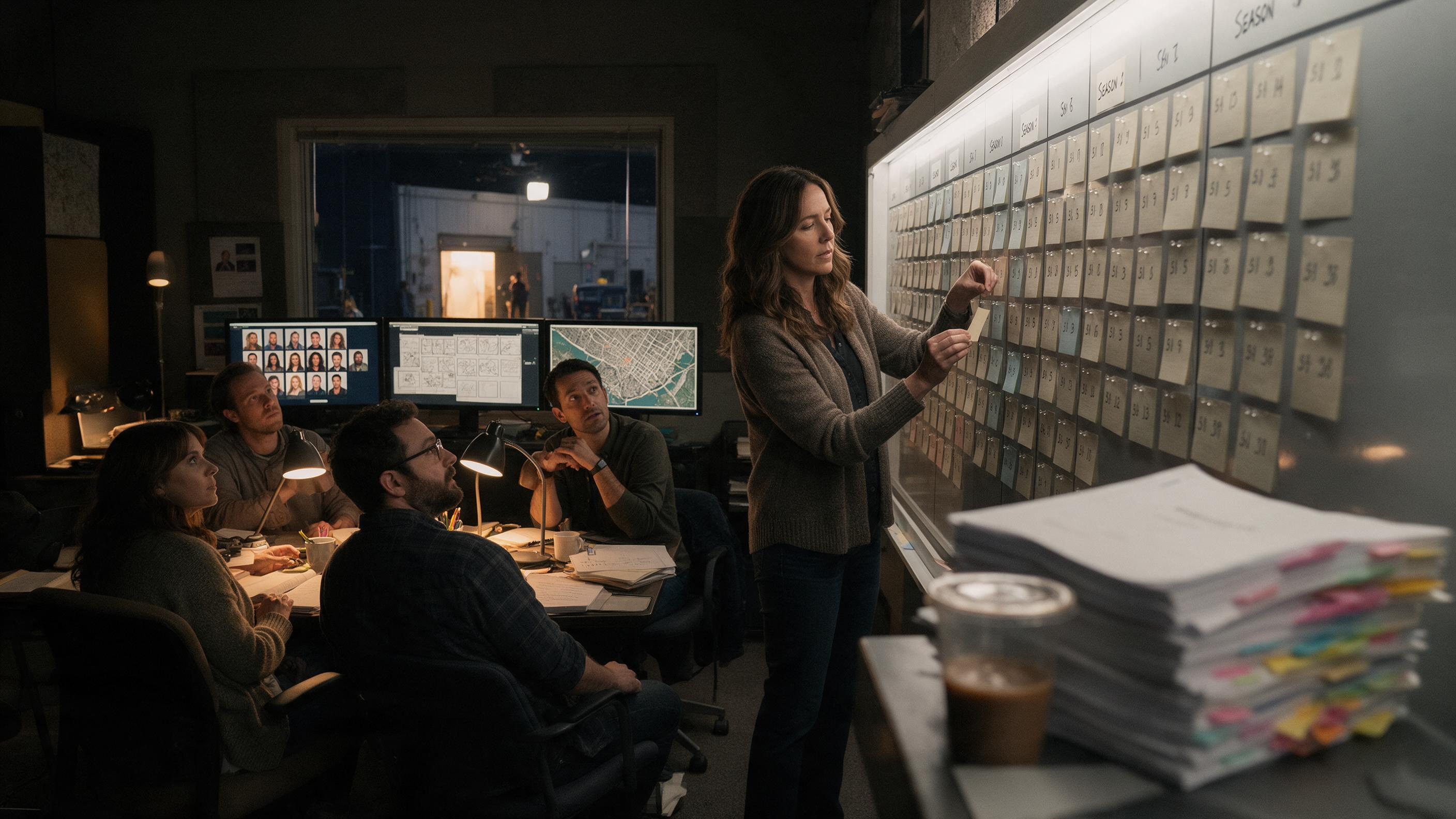
A show that holds its seasons and its episodes, every one remembering the last.
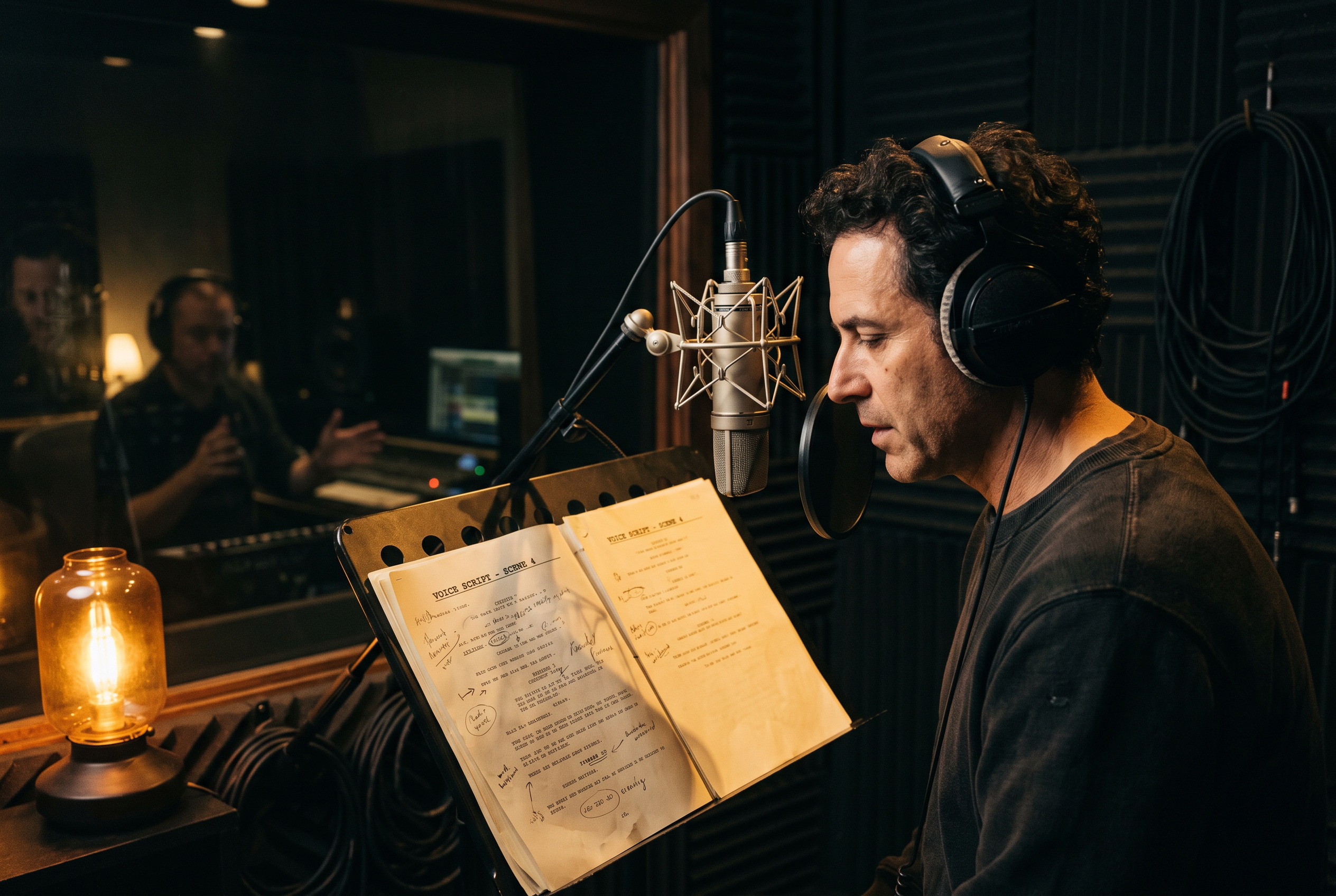
The same words, performed. A cast, a voice for each character and one for the narration.
Every decision, draft and image is written to a tamper-evident record as it happens. When you publish, a certificate of authorship goes with the work, checkable by anyone, anywhere.
Each decision, each draft and each image is written into a chain that cannot be edited after the fact. When you publish, you can show exactly what you decided, what the engine did, and when.
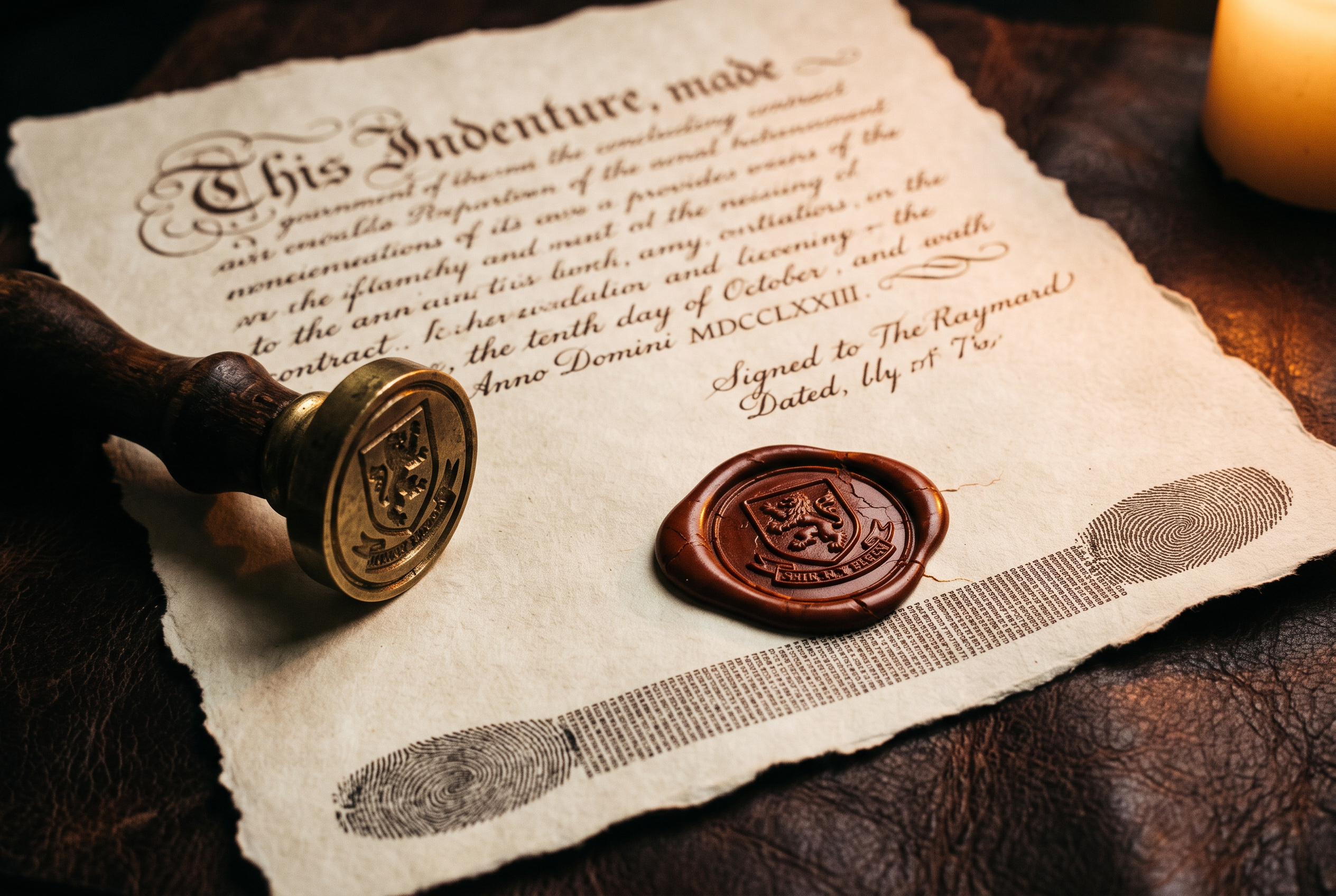
a9f3…07c14c21…e8b0bb70…19d4e1d8…52aa7f0c…c3e92d95…a4f7
Dream it. Believe it. Make it.
Yes. Every decision, draft and image is written into a tamper-evident record as it happens, and a certificate of authorship built on open standards goes with the work when you publish.
No. A story is grown in stages: seed, foundations, cast and places, outline, prose, every form. Each stage is settled with you before the next begins, and nothing downstream is regenerated without your say.
Yes. Every character carries one sheet, and every image, poster and storyboard frame is drawn from it, so they are recognisably the same person in every scene and costume.
A monthly fee for the studio, and then a price per finished thing you make, so the cost is known before the button is pressed.
At any stage. Go back, change a decision, and choose what flows downstream. Everything you have approved is kept.
A monthly plan opens the studio and includes credits. Everything you make is priced in credits per finished output and quoted before it runs, so the cost is known before the button is pressed. Plans and prices are being finalised.